






From first inquiry to the next invitation.
When Fight the New Drug brought its presentation booking process in-house in 2021, we didn't exactly inherit a clean slate. We inherited a calendar full of events, bookings in every stage of completion, and a spreadsheet doing its best to hold everything together. The handoff happened overnight, leaving us to keep existing bookings moving and new inquiries coming in while I built the system to manage it all.
I designed and built the booking experience and the systems behind it, connecting everything from initial inquiries and contracts to billing, event preparation, presenter logistics, and follow-up.
The Problem & Opportunity
With bookings already in motion, waiting for a fully built replacement wasn't an option. I prioritized getting the new inquiry process running so incoming leads wouldn't be interrupted, while our team manually managed the bookings we'd inherited. From there, I could build out the remaining workflows around what the team actually needed.
Bringing the process in-house also gave us a chance to rethink the entire experience—from helping organizers get school approval to preparing them for event day, collecting post-event feedback, and reconnecting ahead of the next school year.
Discovery & Requirements
I framed the requirements around two sides of the same booking: what organizers needed to move forward, and what our team needed to keep it moving.
Client needs
Parents & PTA · School staff · SBO's
Different evels of readiness: general interest → ready to book
Support getting approval
Clear presentation information and shareable resources to help organizers get others on board.
A direct path when ready
Quick connection with the team and a straightforward booking process.
Information that carries forward
Details collected during inquiry remain available through booking and preparation.
Guidance before event day
Timely, relevant communication and easy access to preparation materials.
Operations needs
One shared workspace
Manage bookings, client communication and connected tools from Monday.com.
A shared booking record
Inquiries, contacts, event details, and communication history together.
Visibility across every stage
Clear status for inquiries, approvals, contracts, invoices, and payments.
Connected actions and platforms
Manage next steps from one workspace, with connected systems handling contracts, billing, and other tasks.
Coordinated presenter logistics
Keep assignments, itineraries, travel details, and reminders connected to the booking.
Solution Design
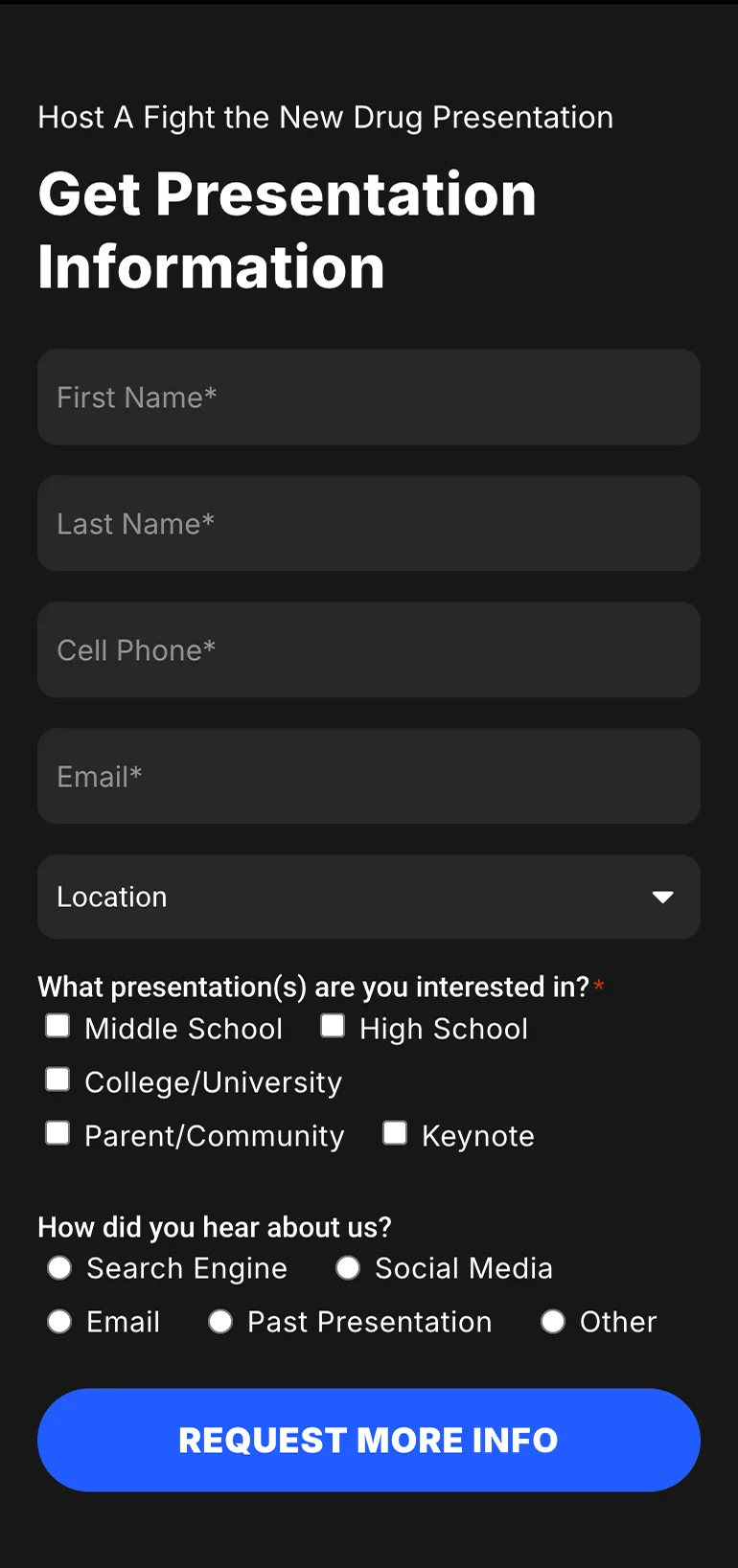
I staged information collection to match the client’s readiness. The initial inquiry was structured to reduce the barrier to entry, and offered a information and a qualification call; a later form collected booking details for approval and a contract.
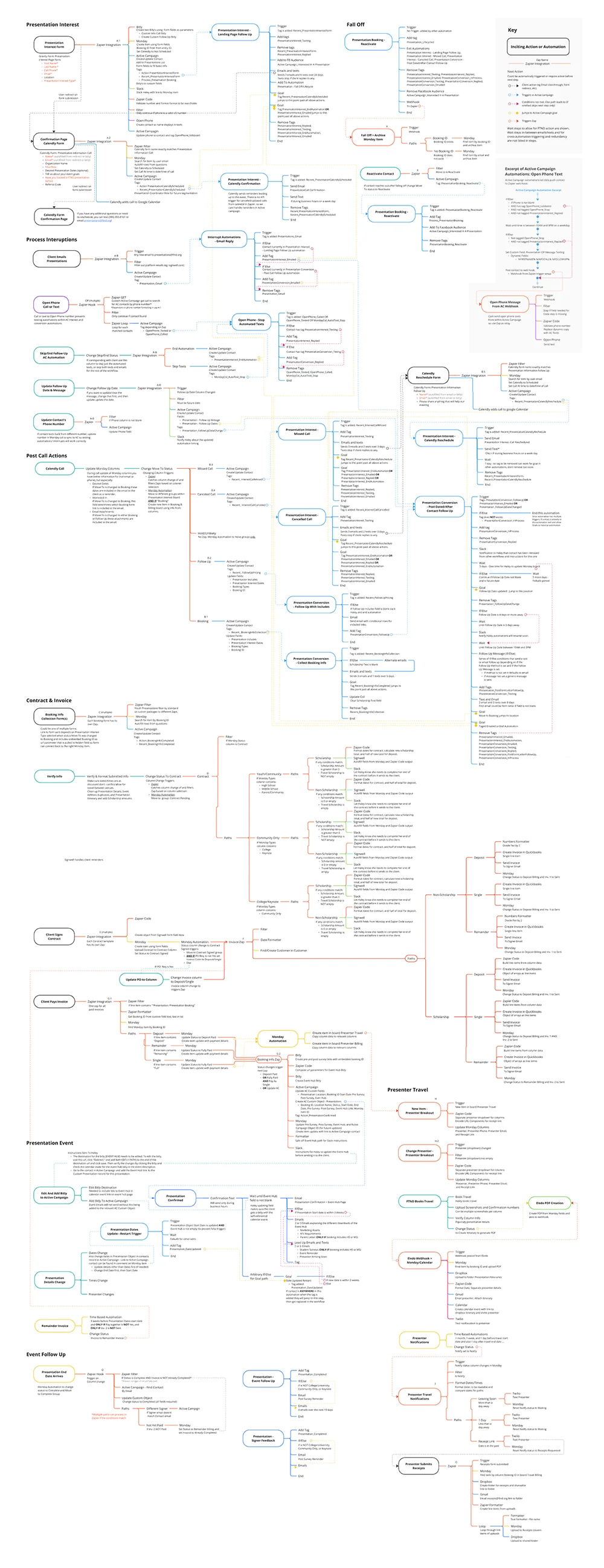
I built the system around Monday.com, a platform the team was already using. Booking details synced into its records, where status changes tracked progress and triggered communications, approvals, and next steps across connected platforms.
Inquiries & Follow-Up
For prospective clients, I built automated email and text sequences to provide information, answer common questions, and help move inquiries toward a booking. Communication history was recorded in Monday.com, giving coordinators a shared view of each conversation.
But real conversations don't always follow the schedule. If a client contacted us before their next scheduled follow-up, the system paused the pending message and notified the coordinator. They could review the conversation and revise, cancel, or reschedule the follow-up before an outdated message reached the client's inbox from that same workspace.
Booking, Contracts & Billing
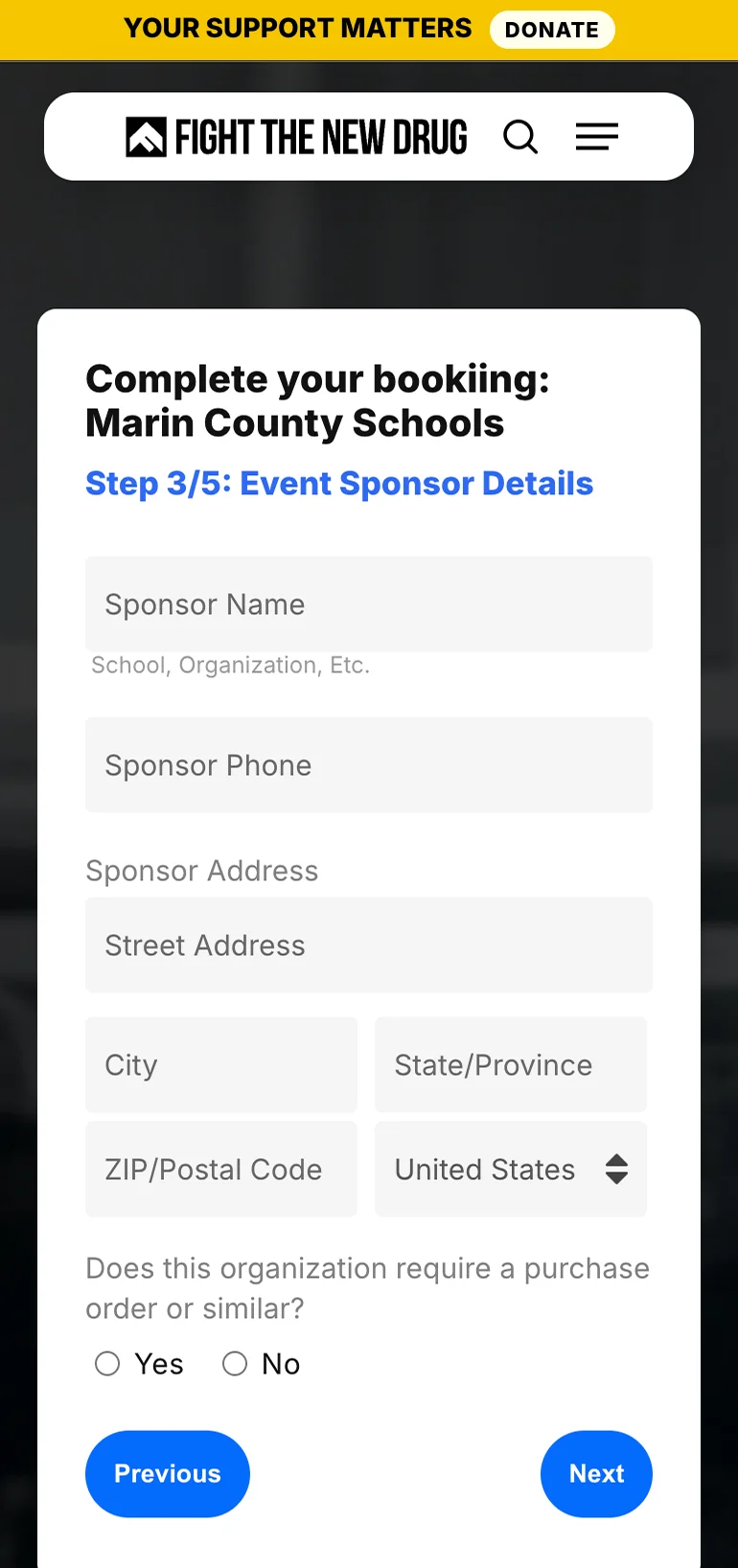
Once a client was ready to book, details submitted through a website form flowed into Monday.com for coordinator review. Approval triggered contract generation, with contract status tracked back in Monday.com.
A signed contract automatically triggered invoicing through QuickBooks, with invoice and payment statuses synced back to the booking record. Each milestone moved the process forward without requiring coordinators to manually check or update multiple systems.
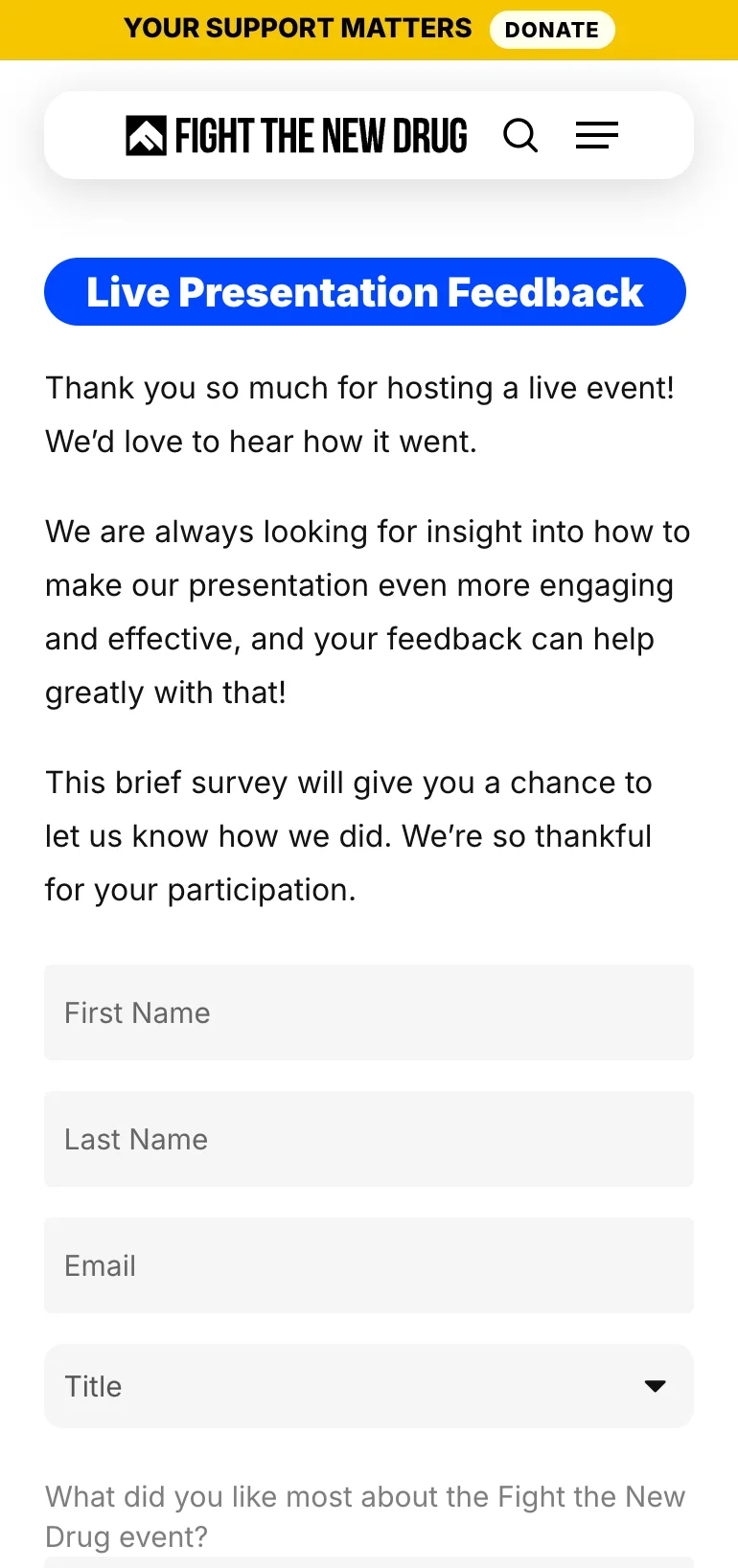
Once a booking was confirmed, I generated booking-specific SurveyMonkey links, shortened with Bitly for easy sharing. Pre- and post-presentation responses were tied to each event for impact reporting, both internally and for the client.
Presenter Logistics & Communication
Confirmed bookings also fed into a separate presenter-coordination workflow, automating the generation and delivery of itineraries, calendar invitations, travel reminders, and receipt-collection links.
Website Design & Development
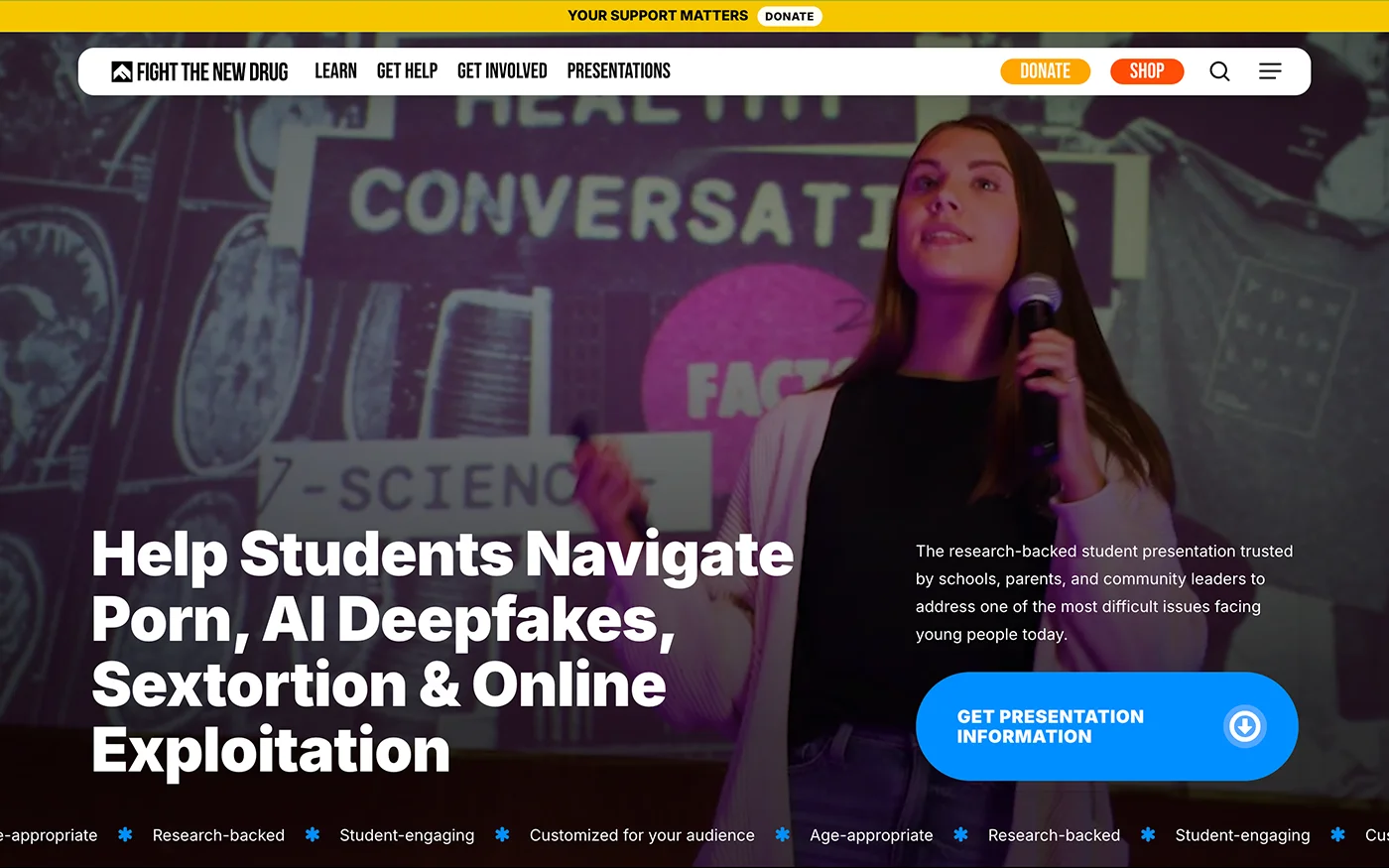
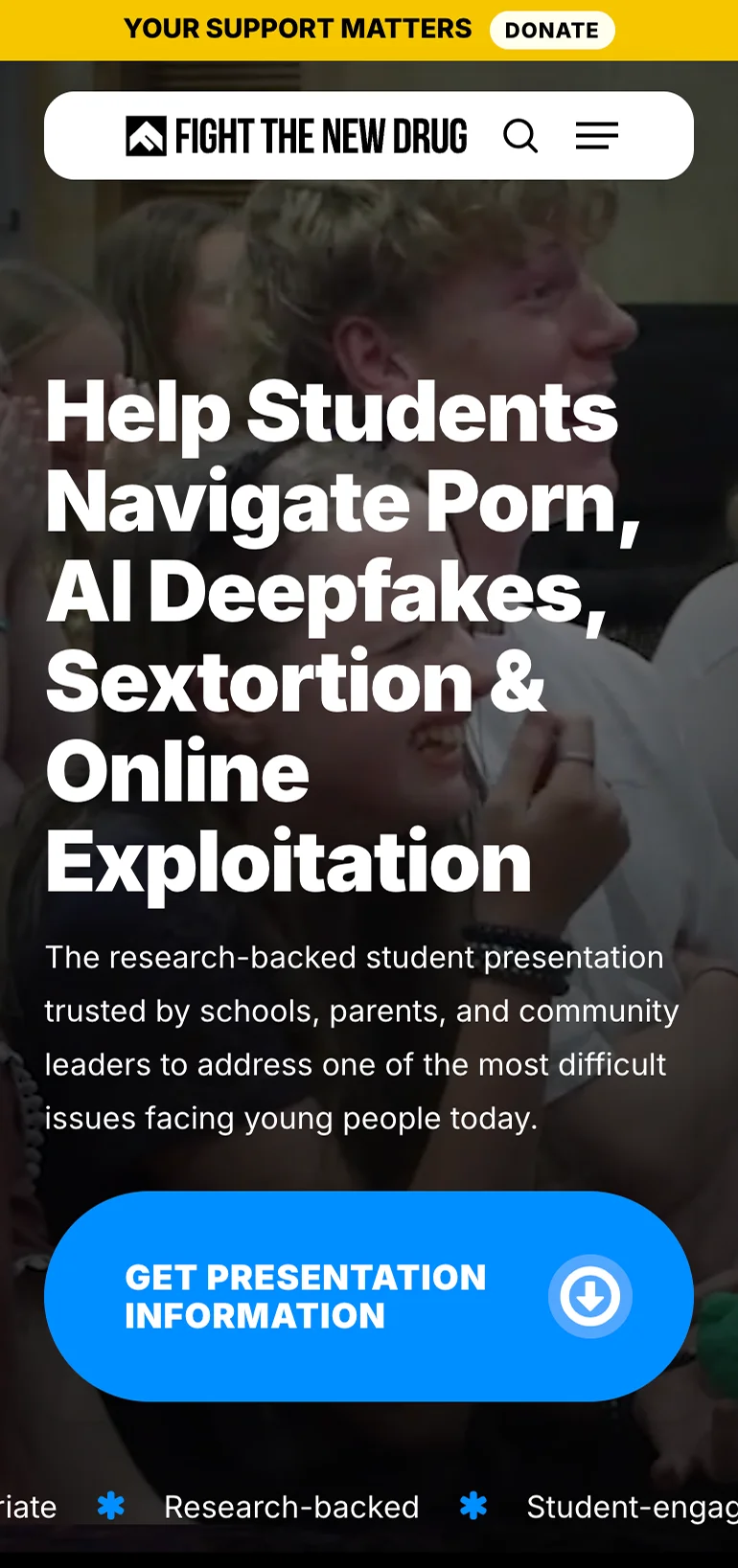
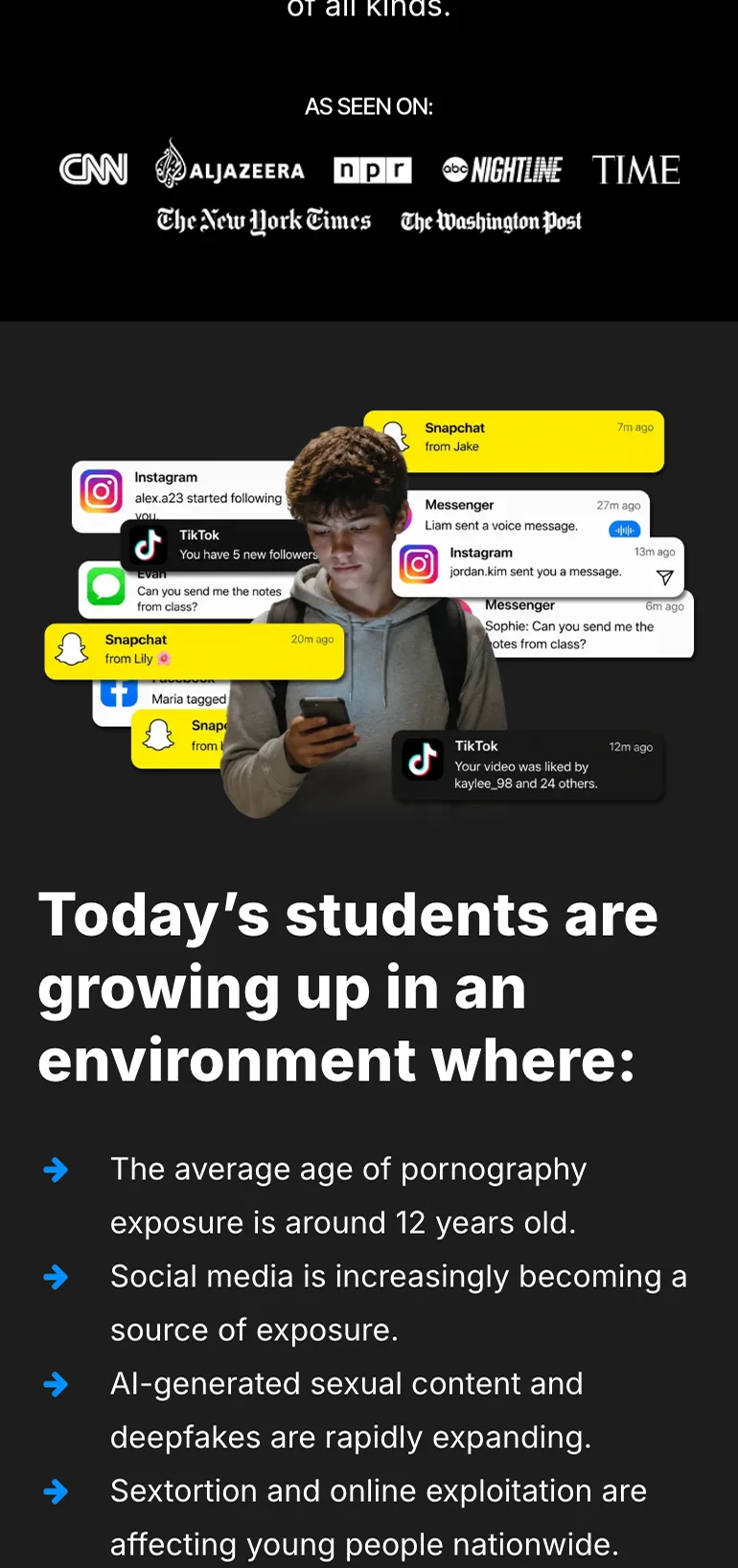
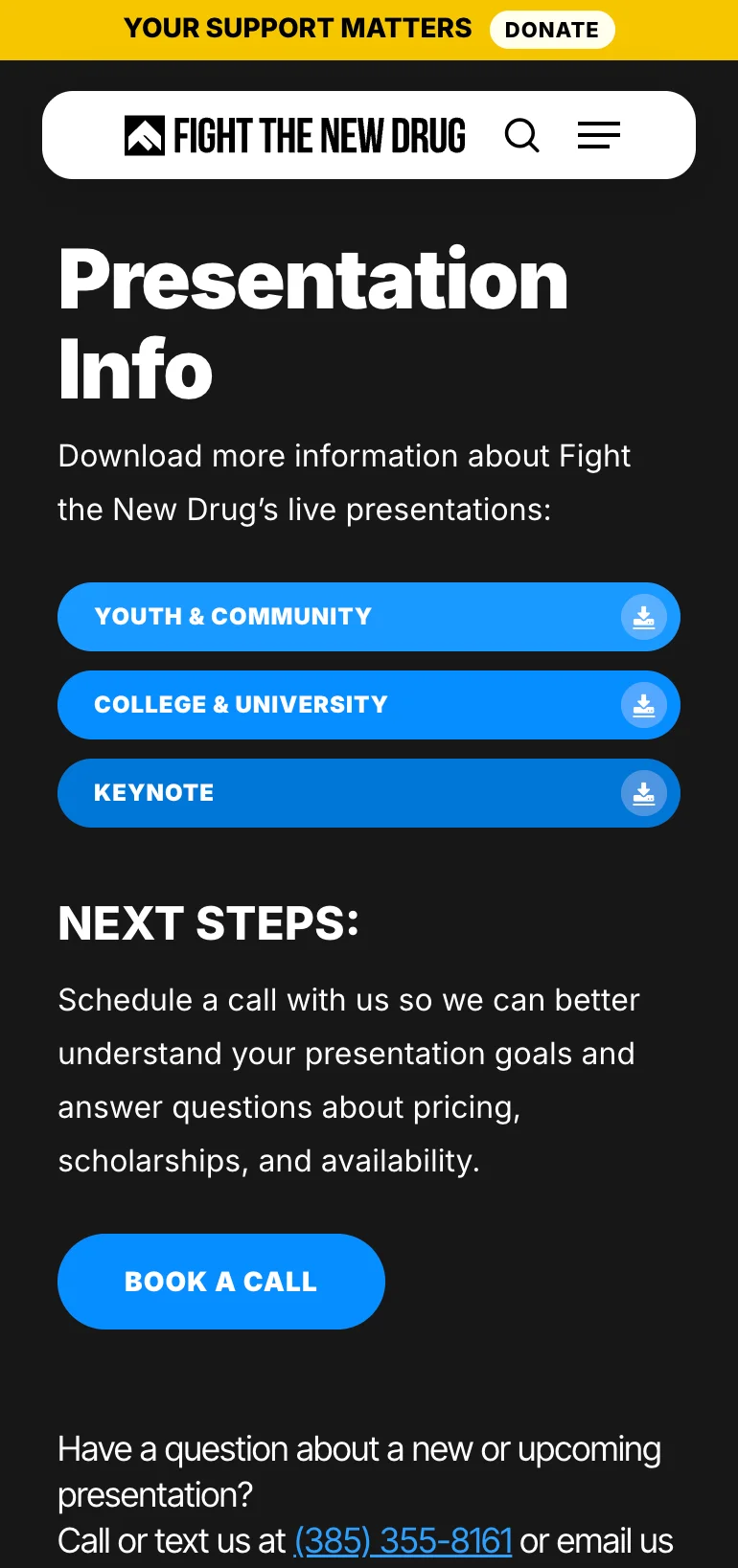
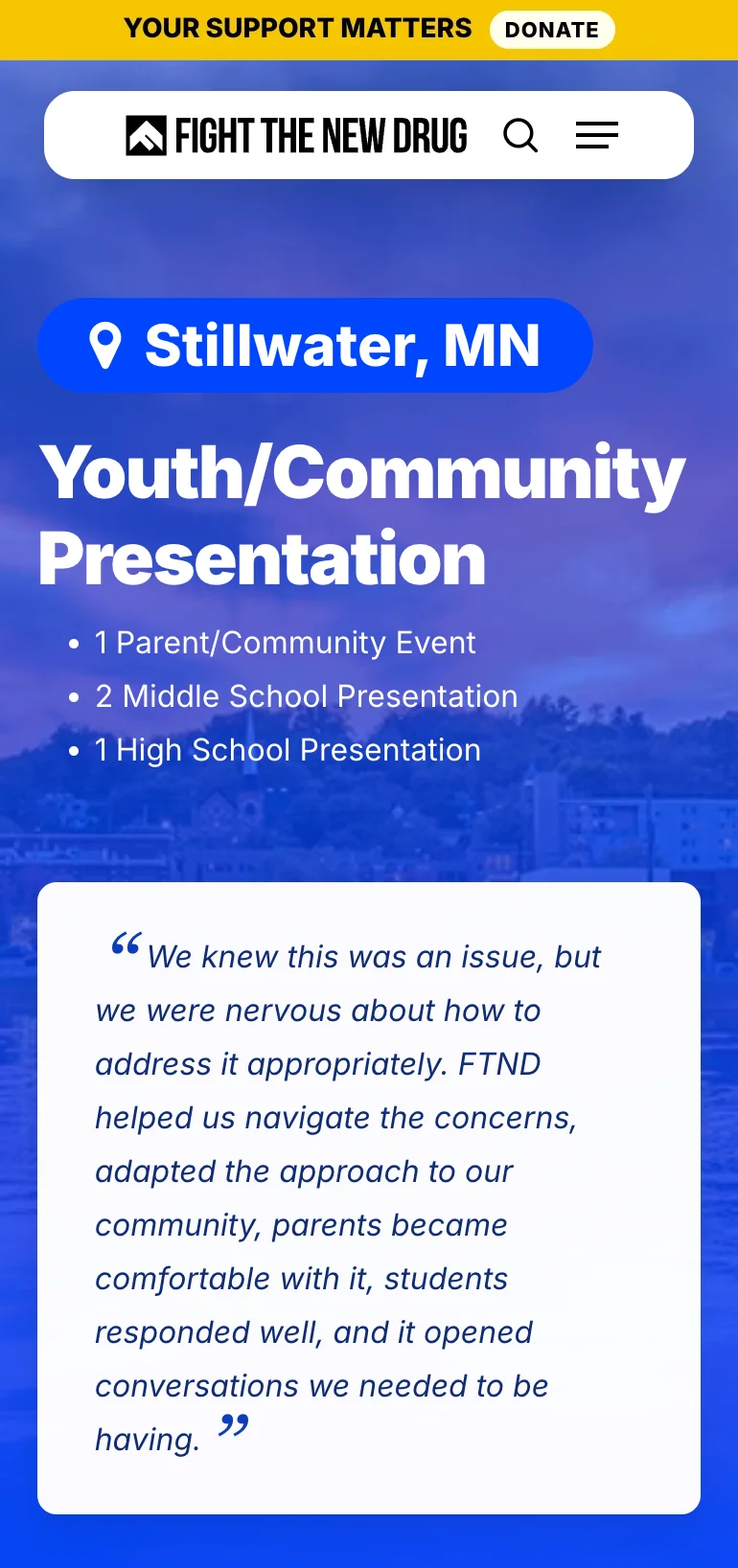
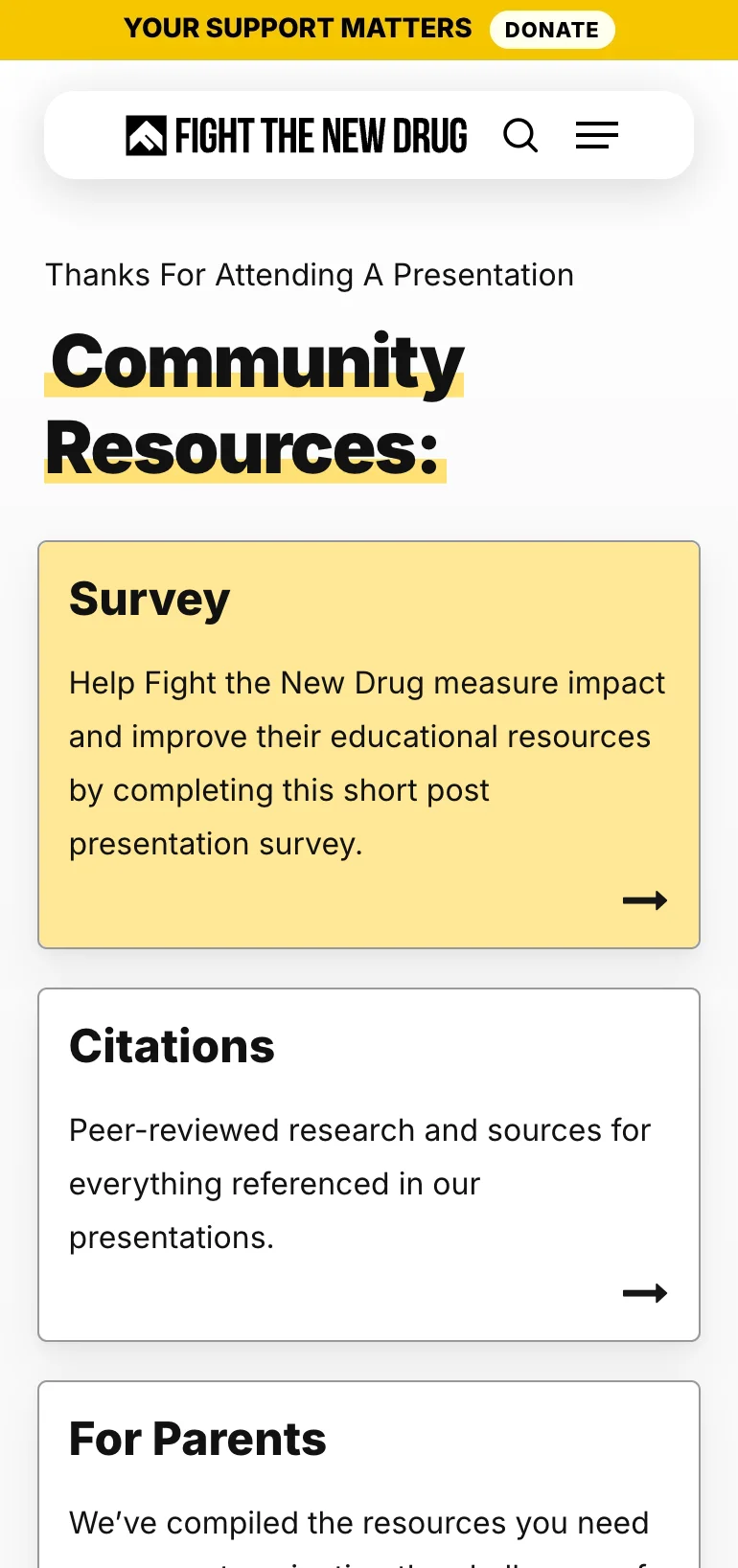
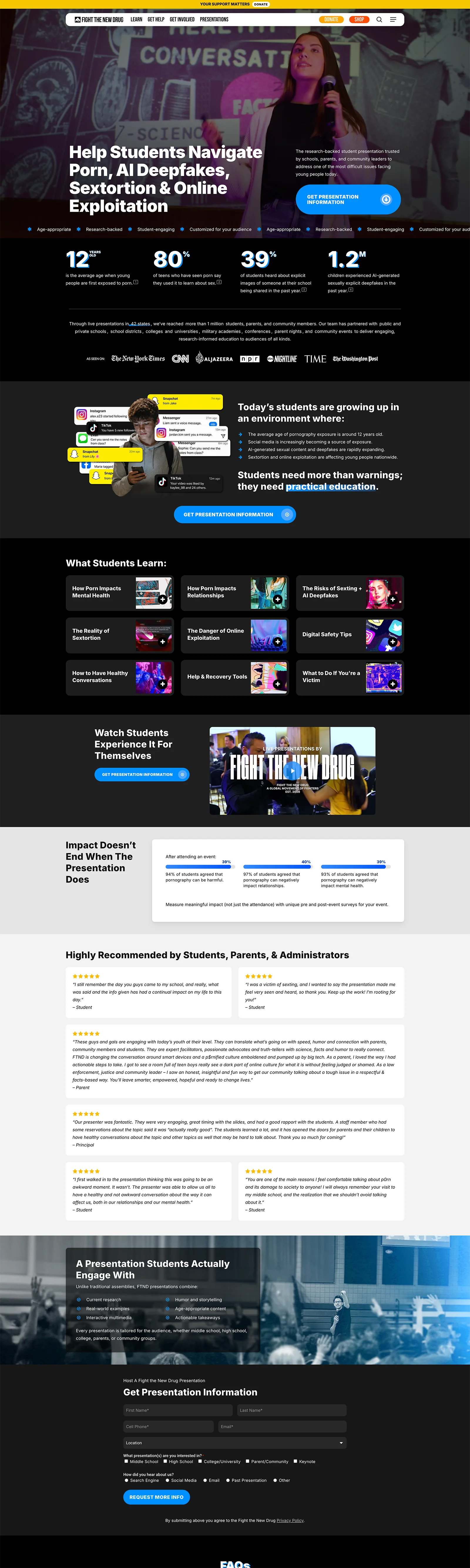
Alongside the operational systems, I designed and built the client-facing website and landing pages. The experience guided organizers from exploring presentation options to making an inquiry and completing their booking, with each step connected to the workflows behind the scenes.
Challenges & Iteration
Despite automated emails and reminders, organizers were still missing important details leading up to their presentations. The problem wasn't a lack of communication, but expecting them to keep track of it all.
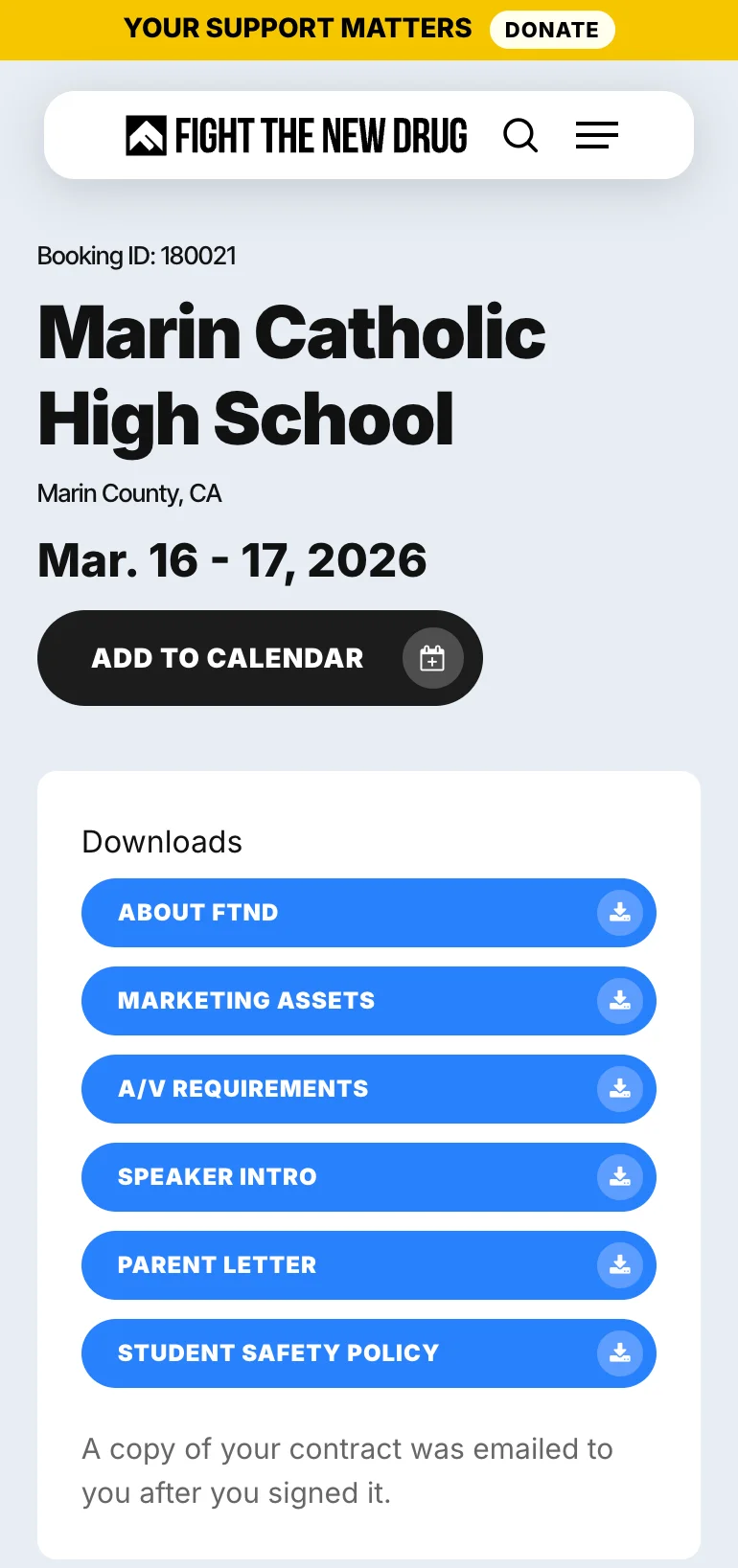
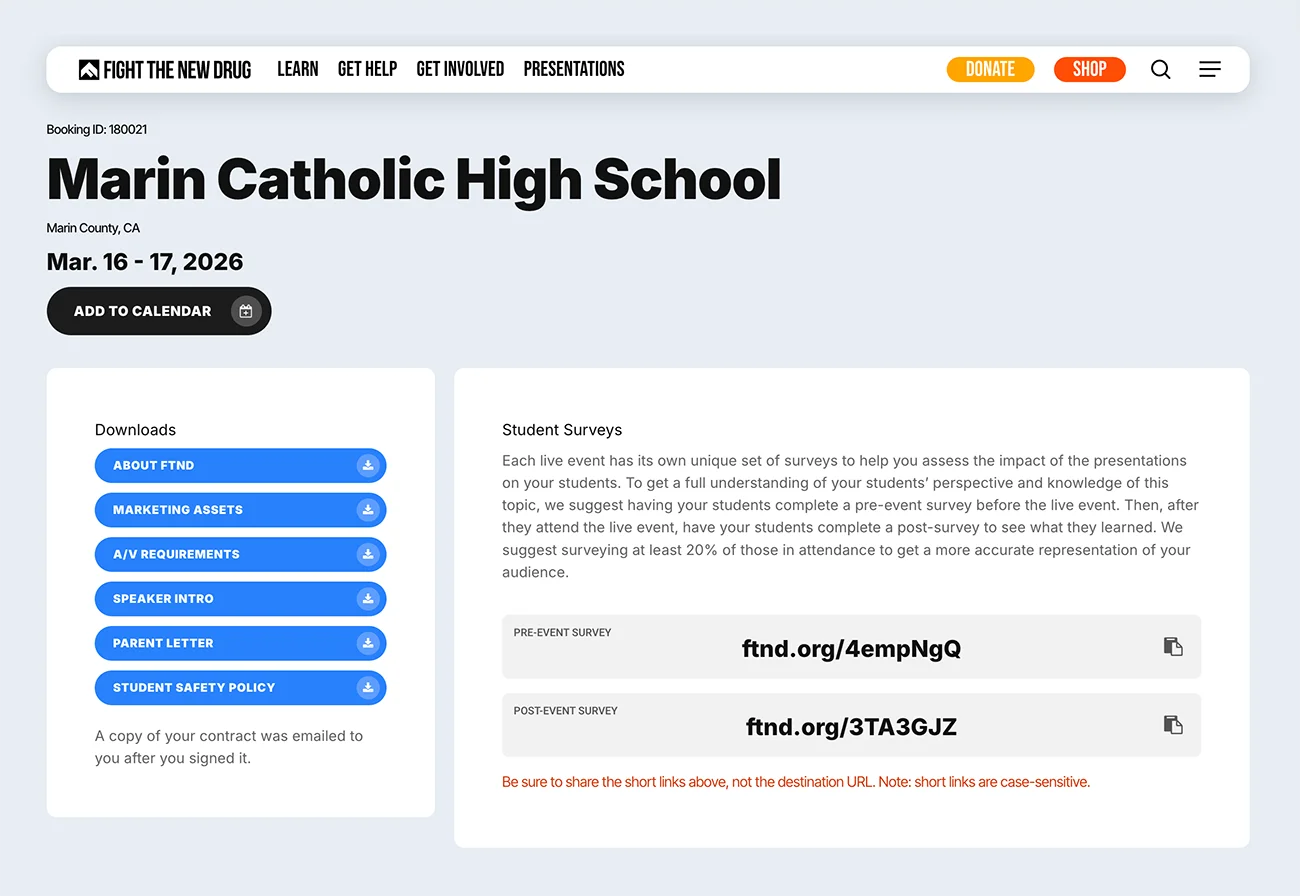
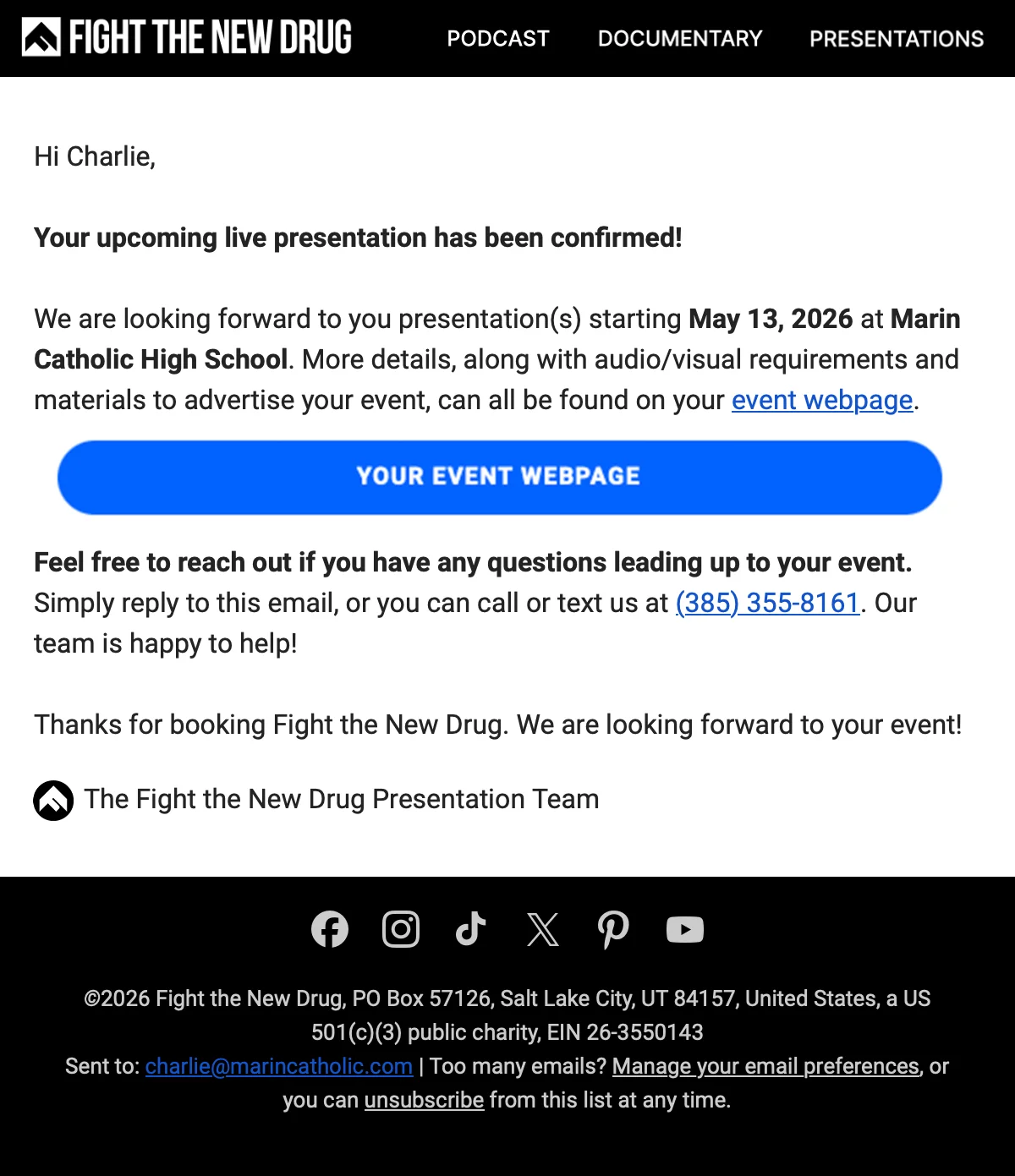
Rather than sending more reminders, I built a booking-specific Event Hub in WordPress. Instead of a trail of individual links and instructions, every event email pointed organizers back to one place where they could find what they needed, whenever they needed it.
Rebuilding Around CRM Limitations
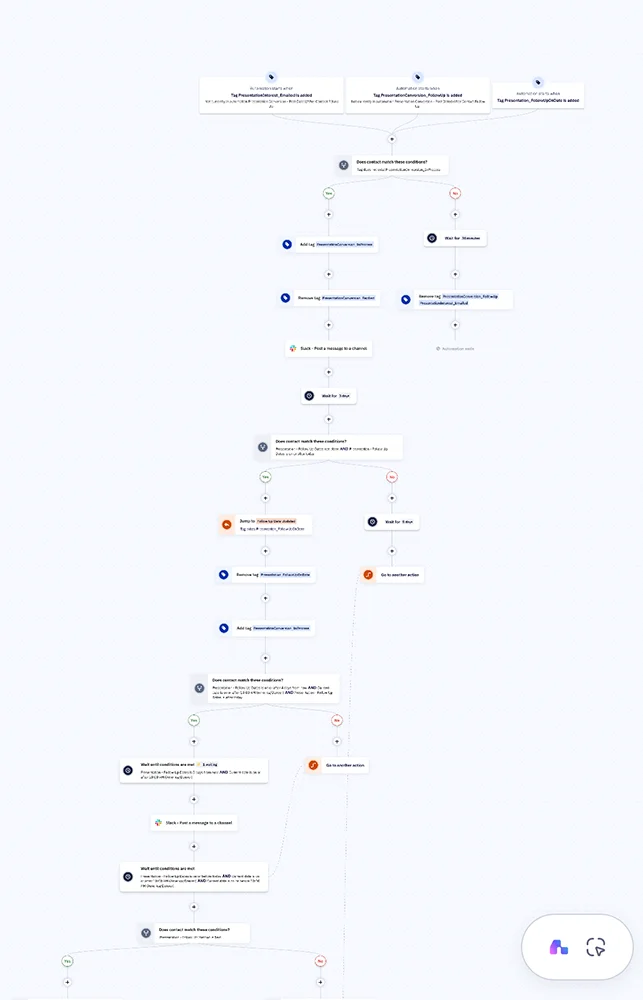
In 2024, ActiveCampaign reduced support for custom-object conditions, forcing a rebuild of much of the booking automation.
The new workflows had to rely on contact-level fields, which posed a problem for organizers with multiple bookings. I used plus-addressed email aliases to create separate contact records, keeping simultaneous bookings and their automations independent. Not the ideal data structure, but a practical workaround for the limited number of contacts with multiple bookings.
Results & Impact
The result was more than a new booking interface. It was a connected system supporting organizers, coordinators, and presenters throughout the process.
More manageable operations. One staff member could coordinate a few hundred bookings a year alongside other responsibilities. Shared booking details and communication history also made it easier for colleagues to step in when needed.
Stronger client relationships. Direct communication, preparation resources, and ongoing outreach helped us maintain relationships with schools and encourage repeat bookings.
Simpler presenter logistics. Automated itineraries, calendar events, travel reminders, and receipt collection reduced the manual coordination involved in preparing for events and handling expenses.
Better impact reporting. Connecting survey responses to individual bookings allowed the team to report on pre- and post-presentation results at the school and event level.
Reflections & Learnings
One of the biggest lessons was that good automation isn't just about do something, but knowing when to stop. In practice real conversations can clients changing plans don't follow a perfect sequence. Building ways for staff to step in, adjust the process, and take back control made the automations far more useful.